RESEARCH
We work on problems where vision meets reality.
Generative models can make almost any image look plausible. We study what it takes to make them faithful: to people, to materials and to the physical world. Our first focus is photorealistic virtual try-on.
THE CORE PROBLEM
Show a person wearing something they have never worn.
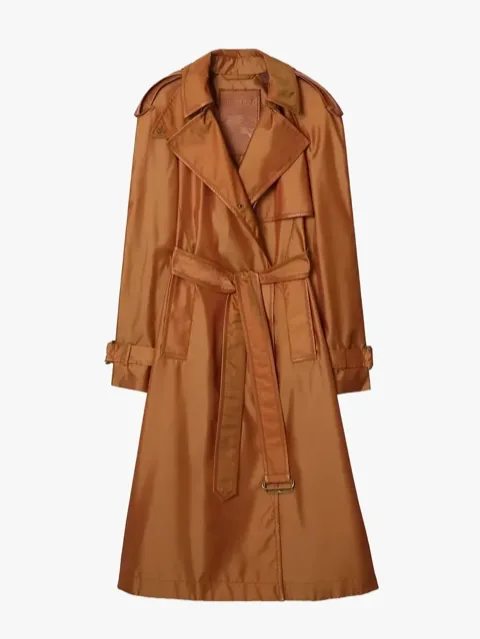
From one photo of a person and one photo of a product, generate an image of that person wearing that product. It sounds like one task. It is really several: understanding the photo, moving the garment onto a body, preserving every detail of the fabric, and doing it fast enough to use.
Each of those pieces is an open research question, and each maps to one of our research areas below.
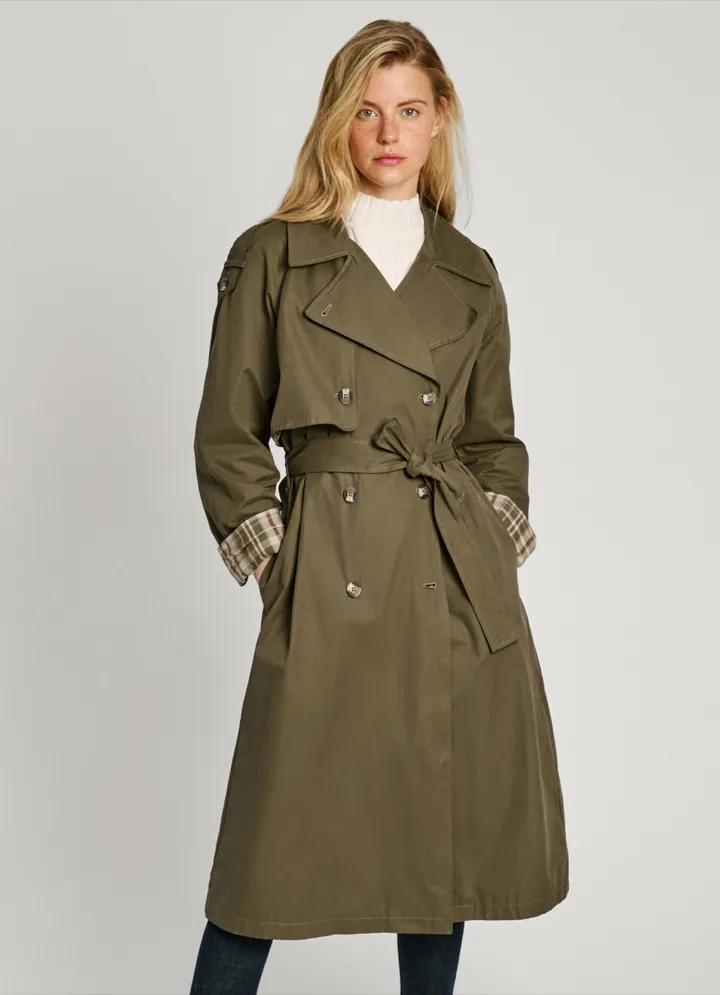
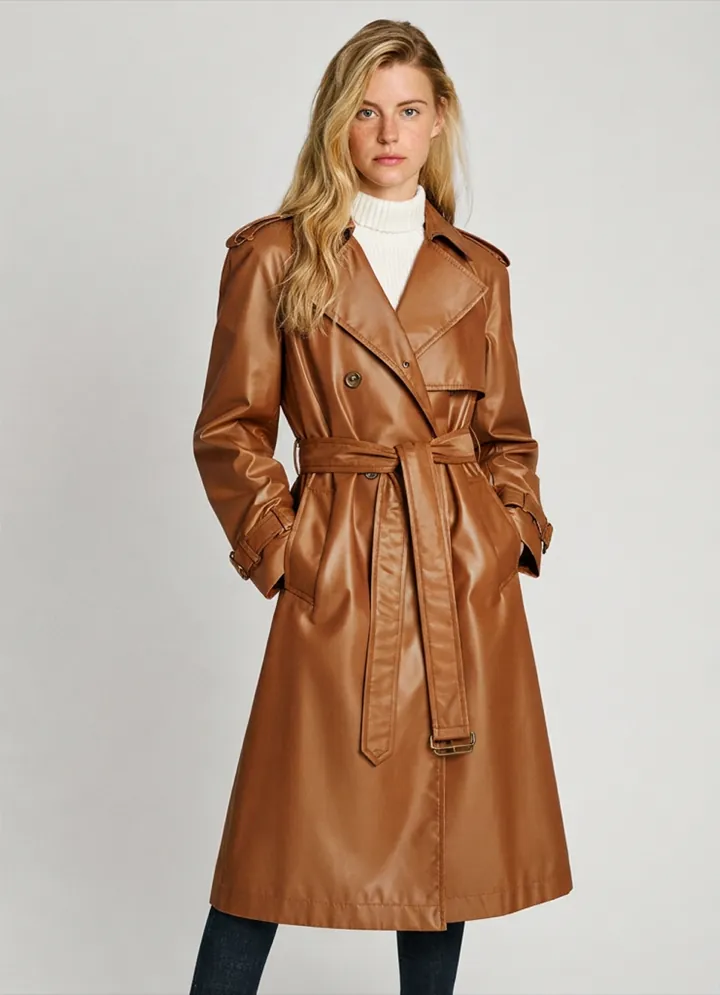
Keep from the personFace and identity, pose, body shape, skin, hair, background.
Take from the productGarment shape, colour, fabric texture, print, logos, details like buttons and seams.
RESEARCH AREAS
Four areas, one goal.
Visual AI that understands structure, materials, people and the ways they interact, so that what it generates is true to the real thing.
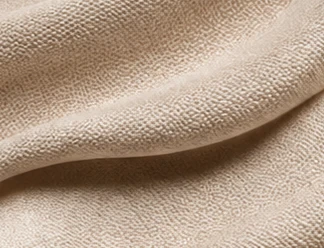 Visual UnderstandingModels that understand people, objects, garments and environments.Explore this area
 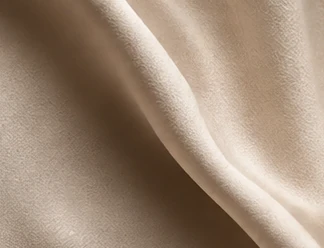 Generative VisionSystems that can transform visual inputs while preserving structure and identity.Explore this area
 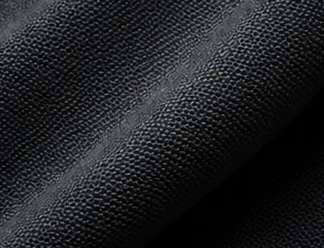 Material IntelligenceUnderstanding appearance, texture, geometry and physical characteristics.Explore this area
 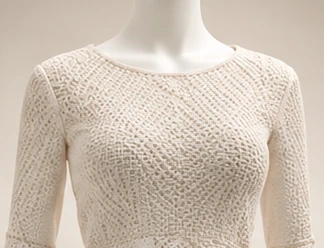 Human–Object InteractionModeling how objects change when interacting with people and in the real world.Explore this area
 - Fabric fidelity through warping
Keeping texture, print and logos intact while a garment is warped onto a body.
- Drape and folds
Realistic drape, folds and fit across different body shapes.
- Pose and camera consistency
The same garment, consistent across poses and camera angles.
- Fast, affordable inference
Generation fast and cheap enough to run on a live storefront.
HOW WE WORK
Measured before it is shipped.
Start from what people see
A research question should begin with a failure someone would notice in a real image, not with a metric.
Build the benchmark before the model
Decide how success is measured, on data the model has never seen, before trying to fix anything.
Change one thing at a time
Ablations over intuition. If we cannot say which change helped, we do not ship it.
Report what we find, including what failed
Negative results and limitations go in the write-up next to the wins.
Ship it, then keep measuring
Work that holds up goes into production, where real use tells us what to study next.
DATA AND RESPONSIBILITY
Where the data comes from matters.
Most public try-on datasets are licensed for research only. A model that people and businesses can rely on has to be built on data with clear rights and clear consent.
Never in trainingPhotos shoppers upload to try something on.
- Clean data
- Every training sample should come from a source we have the right to use, with a record of where it came from.
- Consent
- Anyone shown in a training image should have agreed to that use in a signed release.
- Privacy
- Photos shoppers upload to try something on are never used for training.
- Transparency
- A try-on is a generated image, and it should be presented as one, never as a photograph of a real fitting.
FROM THE JOURNAL
Notes from the work.
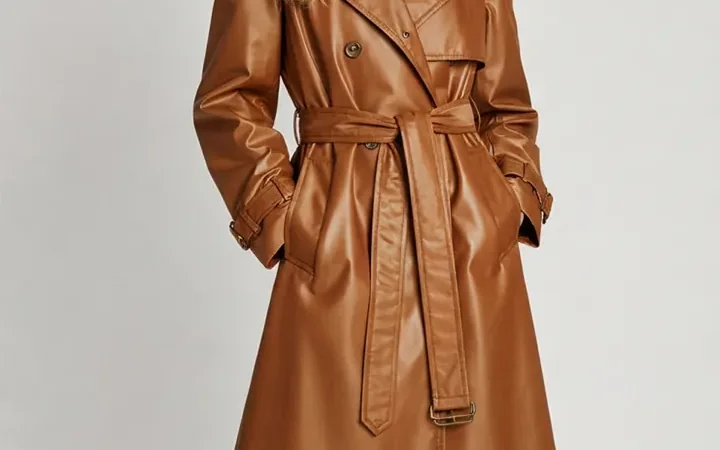 A short history of virtual try-onFrom warping a product photo onto a body to diffusion models that learn where every thread should go: how the field got here, and what is still unsolved.Read Why fabric is harder than pixelsTexture, print, material and drape: the properties of cloth that make try-on a physical problem, not just an image problem.Read Evaluating texture fidelity in VTOWhat FID, LPIPS, SSIM and DISTS actually measure, why none of them is enough on its own, and a framework for measuring whether the shirt still looks like the shirt.Read
 JOIN THE RESEARCH TEAM
Work on the open problems with us.
Students, researchers and engineers. The application takes about two minutes.